

[ad_1]
Endless manual dialing drains your sales team’s time and energy. Hours are lost entering numbers, often reaching voicemails or dead ends. This wasted effort directly impacts revenue.
A Salesforce study revealed that sales reps spend only 30% of their time on actual selling, with the remaining 70% consumed by administrative tasks such as manual dialing. Experienced sales leaders depend on sales dialers to solve this problem.
This guide discusses sales dialers in-depth, exploring their features, benefits, and top dialer software, and how to implement them strategically for maximum impact.
What Is a Sales Dialer?
A sales dialer is a software tool that streamlines and automates the outbound calling process for sales teams. Instead of manually dialing each number, sales reps use a sales dialer to automate much of the process, increasing productivity and allowing them to connect with more prospects and close more deals in less time.
Sales dialers come in different types, each offering different levels of automation and functionality. However, the core function is automating outbound calls to make them more productive. They integrate with customer relationship management (CRM) systems to:
- Manage contact lists
- Track call outcomes
- Provide valuable sales performance data
- Lead management
In 2026, a sales dialer has evolved into an AI-driven platform and has moved from basic dialing to strategic outreach.
Most sales dialer software guides representatives on whom to contact and when to reach them. It also protects the company’s caller ID reputation, ensuring prospects receive important sales calls instead of carrier filters blocking them.
How Does a Sales Dialer Work?
While the specific features and functionality may vary between different sales dialer platforms, the underlying mechanisms generally follow a similar process. Here’s how a sales dialer typically works:
Integration with CRM
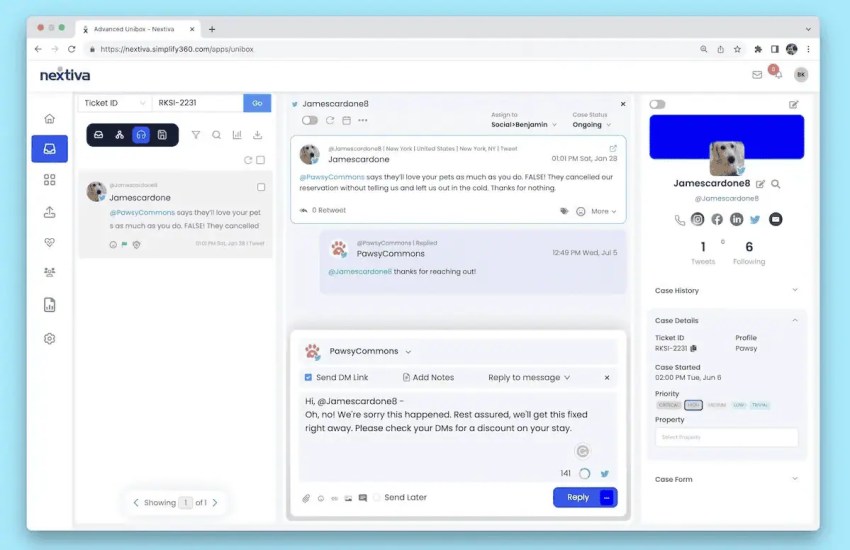
The sales dialer integrates with your CRM system to access and use contact data stored within your CRM, such as lead lists, contact details, and past interaction history. This integration keeps records synchronized and allows reps to view relevant customer information during each call.
Importing or selecting contacts
Sales reps can import a list of contacts from their CRM or select a pre-existing list within the dialer interface for their calling and sales campaign. This allows teams to quickly organize leads and prioritize specific segments before starting outreach.
Choosing a dialing mode
Depending on the sales dialer and the campaign goals, reps choose a dialing mode. These dialer modes could include preview dialing (for personalized outreach), progressive dialing (for a steady flow of calls), predictive dialing (for high-volume calling), or auto dialing (for automated messaging).
Initiating the campaign
Once the list and dialing mode are selected, the rep initiates the calling campaign. The dialer then takes over the dialing process. It automatically moves through the contact list and connects the rep to the next available call without manual intervention.

Automated dialing
Instead of manually dialing each number, the sales dialer automatically dials the numbers from the imported list. This saves time, reduces agent idle time, and eliminates the risk of misdialing. As soon as a call ends, the system immediately dials the next number to maintain a steady call flow.
Call connection and handling
When a connection is made, the call is routed to the sales rep using the intelligent call routing logic. The rep can access relevant contact information from the CRM directly, providing context for the conversation.
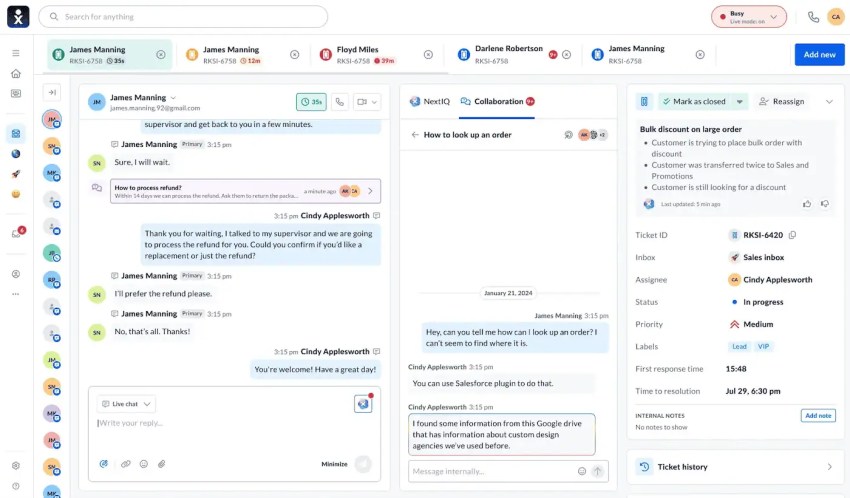
They can also take notes, log call outcomes (e.g., connected, voicemail, no answer), and schedule follow-ups. Modern software now displays a whisper or on-screen prompt showing the prospect’s recent LinkedIn activity or website visits.
Reporting and analytics
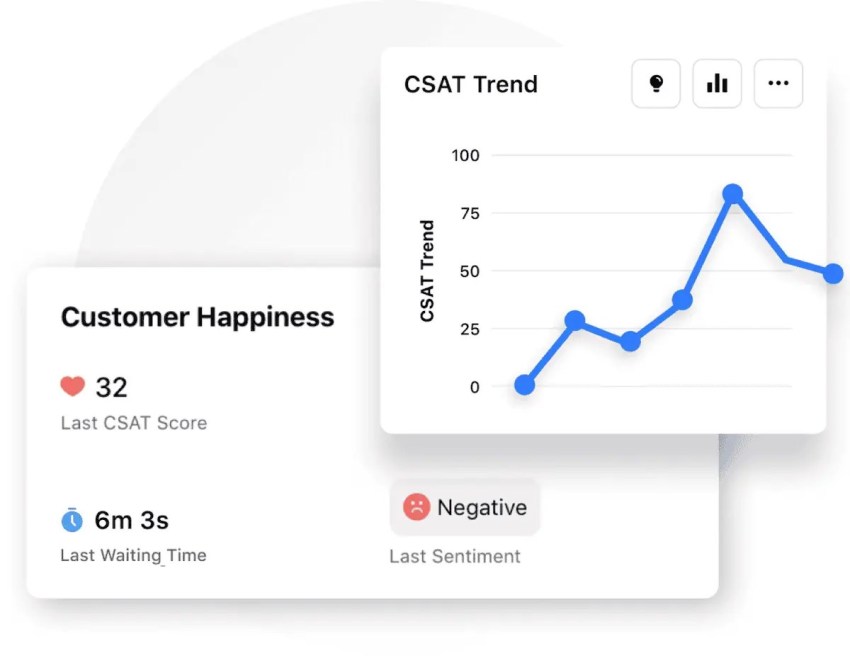
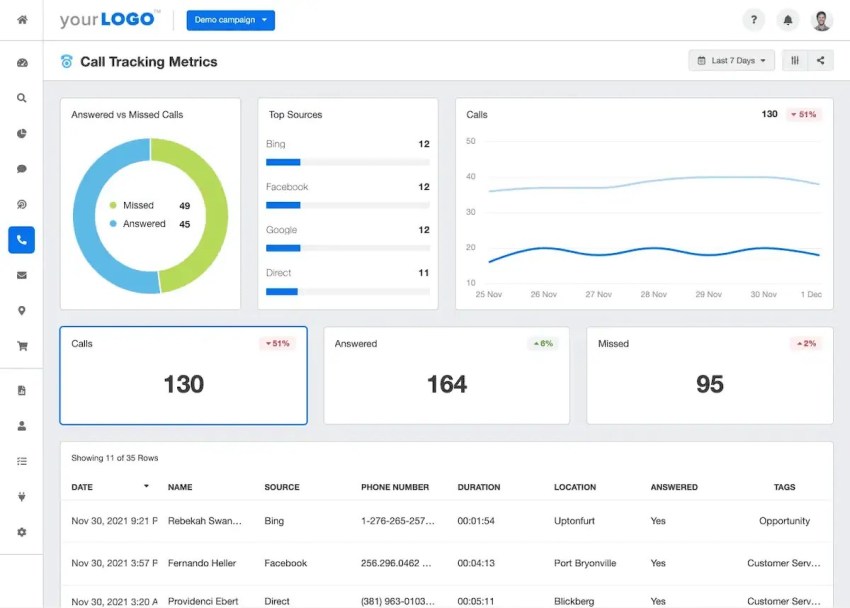
Sales dialers can also provide reporting and analytics dashboards. These dashboards track key call metrics like call volume, connection rates, talk time, and sales outcomes, all valuable insights into sales performance that help enhance productivity and identify improvement areas.
Call disposition and automation
Once a call is completed, the rep logs the outcome within the dialer. This information is then automatically updated in the CRM, eliminating manual data entry and ensuring accurate record-keeping.
Depending on the dialer’s features, the system might automatically move to the next contact in the queue, send automated follow-up emails, or trigger other pre-defined actions. This prevents multiple reps from calling the same person.
Simply put, a sales dialer optimizes the entire sales process, from contact selection to call logging to follow-up, resulting in greater efficiency and productivity.
Types of Sales Dialers
Sales dialers are available in different versions, each tailored to specific needs and sales strategies. Understanding these different types helps choose the right sales dialer for your team. Let’s look at the key dialer types:
1. Predictive dialer
The high-volume sales dialer.
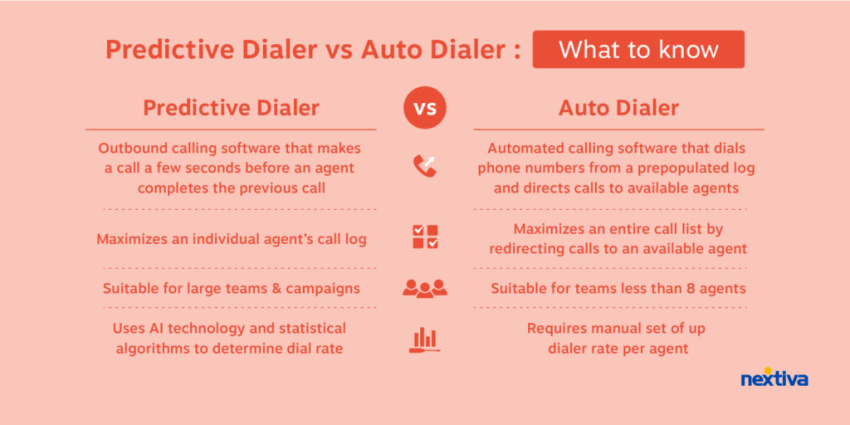
Predictive dialers dial multiple numbers simultaneously, connecting agents only when a live person answers. They use sophisticated algorithms to predict agent availability, minimizing idle time and maximizing talk time.
- Benefits: High call volume, maximizes agent talk time, ideal for rapid outreach.
- Drawbacks: Can lead to dropped calls if the prediction is off, impacting the customer experience. Requires careful tuning to balance speed and customer satisfaction.
- Ideal for: Telemarketing teams making cold calls and lead generation campaigns.
2. Progressive dialer
A balanced sales dialer.
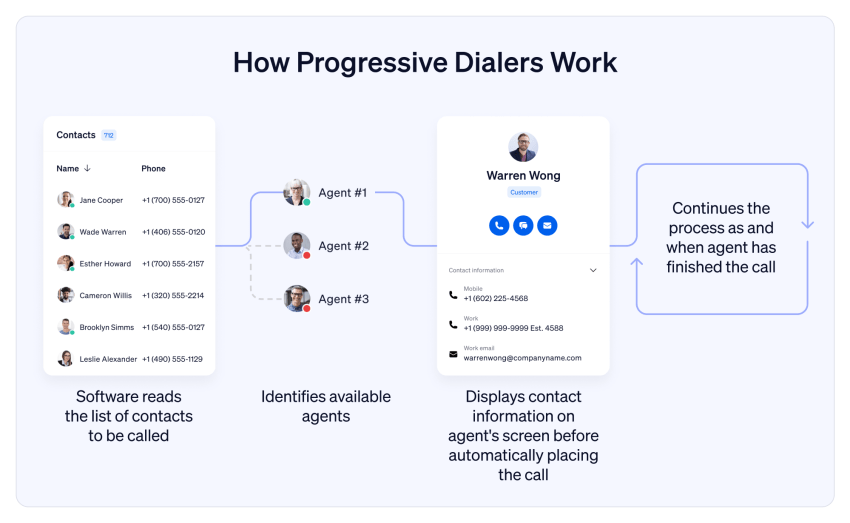
Progressive dialers dial the next number only after the agent finishes the current call. This provides agents time to review prospect information before each call, leading to more personalized interactions.
- Benefits: Good balance between speed and personalization, allows for pre-call research and preparation.
- Drawbacks: Lower call volume compared to predictive dialers.
- Ideal for: Account managers following up with qualified leads, inside sales teams nurturing prospects.
3. Preview dialer
The personalized tool.
Preview dialers give agents the most control, allowing them to review complete contact details and call history before initiating the call, which enables highly personalized outreach.
- Benefits: Highly personalized approach, ideal for complex sales requiring in-depth knowledge of the prospect.
- Drawbacks: Lowest call volume, best suited for high-value leads and strategic accounts.
- Ideal for: Sales representatives selling high-value products or services, account-based marketing.
4. Auto dialer
Simple and efficient dialer tool.
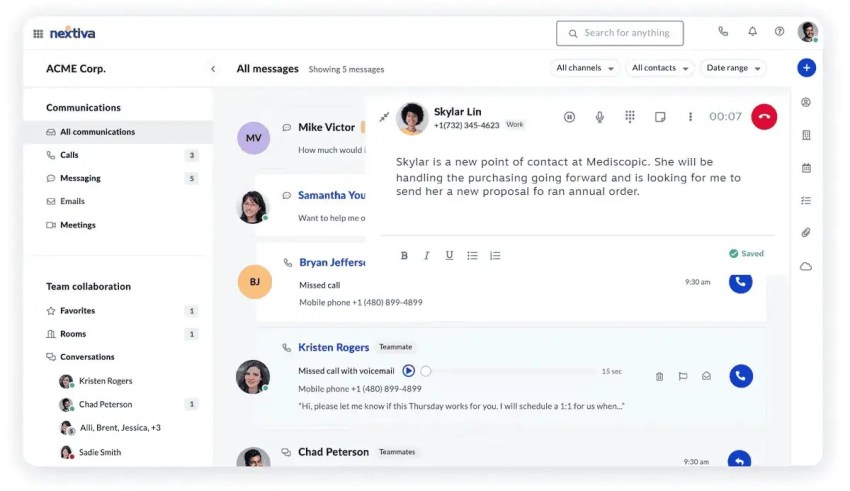
Auto dialers are simpler dialers that automatically dial numbers and play a pre-recorded message. They’re often used for basic outreach or appointment setting.
- Benefits: High-volume, low-touch outreach, efficient for reaching a large number of contacts quickly.
- Drawbacks: Limited personalization, can be perceived as impersonal, best for simple communications.
- Ideal for: Appointment reminders, survey calls, and basic lead qualification.
5. Power dialer
The efficiency-driven engine.
Often mentioned alongside other dialer types, a power dialer is less of a distinct type of dialer and more of a specific feature or functionality that can be incorporated into various dialer platforms (predictive, progressive, or preview).
A power dialer automates the dialing process better than a standard dialer by automatically dialing the next number as soon as the previous call ends (or even slightly before, in some cases).
This minimizes the time between calls and maximizes agent talk time. It’s a highly optimized version of progressive dialing.
- Benefits: Increased call volume and agent productivity.
- Drawbacks: Requires careful configuration to avoid dropped calls and ensure a positive customer experience.
- Ideal for: It’s best suited for situations in a high call volume environment.
5. Intent-based AI Dialer
The intelligent prioritization tool.
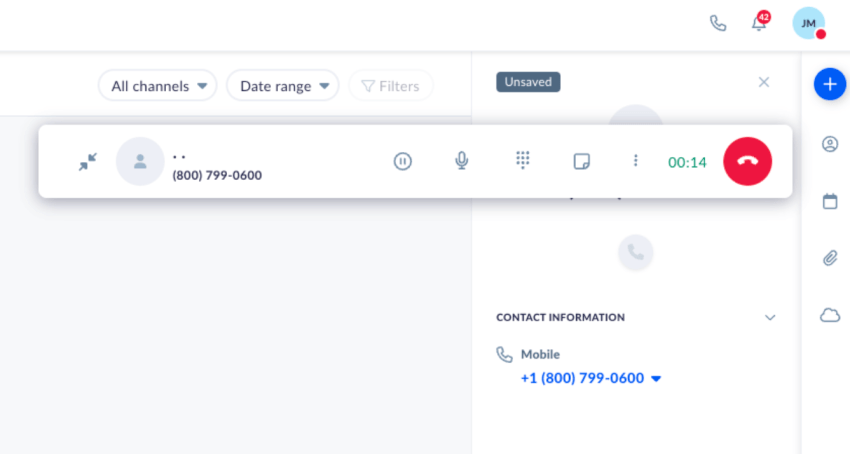
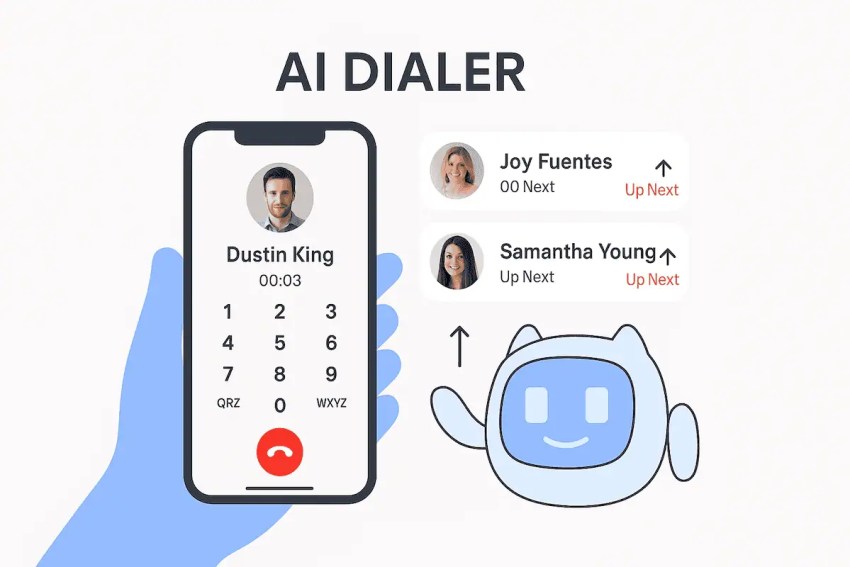
Intent-based dialers use AI to track real-time intent signals, such as a prospect opening an email, visiting your pricing page, or engaging with a LinkedIn post.
The system then moves that contact to the top of the rep’s dialing queue at the moment they are most engaged. Advanced tools also include sentiment tracking to understand tone during conversations.
- Benefits: Reps reach prospects at the optimal time, boosting connection rates and conversions by engaging leads while your brand is top-of-mind.
- Drawbacks: Teams must integrate deeply with marketing automation and web analytics tools to capture signals accurately.
- Ideal for: High-growth SaaS companies, rapid-response sales teams, and warm lead follow-ups.
Cloud-based vs on-premises dialers
Between the different dialing modes, when choosing a sales dialer, its deployment model is also crucial: cloud-based or on-premise. Each offers advantages and disadvantages that affect everything from cost and scalability to security and maintenance.
Cloud-based dialers, hosted by a third-party provider and accessed via the internet, operate as part of a cloud-based phone system. They offer lower upfront costs, easy scalability, and accessibility from anywhere, including a mobile app used on mobile devices.
They also benefit from automatic updates and maintenance handled by the provider. However, they rely on a stable internet connection, and data security depends on the provider’s measures.
On-premise dialers, installed on your company’s servers, provide greater control over data security. But, they require upfront investment in hardware and IT infrastructure, as well as ongoing maintenance and updates managed by your IT team.
Cloud dialers prioritize flexibility and affordability, while on-premise solutions emphasize control at the cost of increased responsibility and investment. Cloud-based sales dialers are any day a better choice, whether it’s about your budget, technical expertise, security needs, or the scale of your sales operations.
Key Features and Functionality of Sales Dialer Software
Modern sales dialers go beyond simply automating dialing, offering advanced features that increase efficiency, improve agent performance, and drive sales success. So what are the key features and functionalities of sales dialer software?
- Call automation: Features like auto-dialing, call queuing, and automated call disposition reduce manual effort, minimize downtime between calls, and increase agent talk time, so reps can focus on selling, not dialing.
- CRM integration: Seamless integration with popular CRM systems (e.g., Salesforce, HubSpot, Zoho automates data entry, eliminating the need for manual updates and ensuring data accuracy. It also provides a 360-degree view of each prospect, including their history with your company, enabling more personalized and effective conversations.
- Call recording and analytics: Call recording aids quality assurance, agent training, and compliance. Paired with call analytics, these recordings give key insights into call volume, connection rates, conversion rates, agent performance, and more, helping identify areas for improvement and optimize dialing strategies.
- Real-time sentiment analysis: AI scans live audio for buying signals, tone shifts, or frustration peaks through sentiment tracking, and immediately flags calls and alerts managers so they can join live calls for review or intervention.
- Local dialing: Local presence dialing allows agents to present a local phone number to the recipient, increasing the likelihood that the call will be answered and promoting a sense of familiarity.
- Voicemail drop: Enables agents to pre-record voicemails and insert them into a prospect’s voicemail box with a single click, instead of delivering the same message repeatedly.
- Call scripting: Provides agents with on-screen scripts to guide conversations, ensure consistent messaging, and effectively handle objections, helpful for new agents or when dealing with complex products or services.
- Reporting and analytics: Helps track important metrics like call volume, connection rate, conversion rate, agent talk time, and call abandonment rate, which provide a clear picture of sales performance and identify optimization potential.
- Integrations (beyond CRM): Integrations with other sales and marketing tools, such as email marketing platforms or lead generation software, streamline workflows and enhance data visibility.
- Real-time AI coaching: On-screen prompts suggest rebuttals or next best actions while the rep is still on the live call. This guidance helps reps respond quickly and improve their chances of closing the deal.
- AI-powered summarization: AI automatically distills every conversation into concise bulleted call notes and syncs them directly to your CRM, reducing agent wrap-up time by up to 50 percent.

Besides the feature set, your sales dialer tool should have a user-friendly, clear, and intuitive interface that promotes agent adoption and productivity. It should be easy to learn and use, minimizing learning effort and maximizing efficiency.
Also, ensure that the dialer complies with relevant regulations such as the TCPA (Telephone Consumer Protection Act) in the US to avoid legal problems. Features like list cleaning and call time limits can help maintain compliance.
Benefits of Using Sales Dialers
Sales dialers empower your team to work smarter, not harder. Here’s how:
1. Increased efficiency and productivity
Sales dialers enhance productivity by automating tedious tasks like manual dialing, call queuing, and basic call logging. Automation frees valuable time for your agents, so they can make more calls and focus more on sales.
2. Improved lead qualification
Optimized call processes paired with readily available prospect data from CRM integration enable faster and more effective lead qualification. Agents can quickly identify promising leads, prioritize their efforts, and focus on the leads most likely to convert.
3. Enhanced sales performance
Higher connection rates, improved lead engagement, and more personalized conversations all contribute to higher conversion rates and increased sales. Sales dialers keep agents more effective at every stage of the sales process.
4. Better lead nurturing
Consistent follow-up is crucial for successful lead nurturing. Sales dialers make it easier to maintain consistent contact with prospects, improve lead engagement, and build stronger customer relationships. This consistent nurturing leads to higher conversion rates over time.
5. Reduced manual work
Automation reduces the manual workload of sales employees, saving time and reducing the risk of human error in tasks such as data entry and call logging. Dialers reduce manual effort and allow employees to focus on building relationships and closing deals rather than on administrative overhead.
6. Data-driven insights
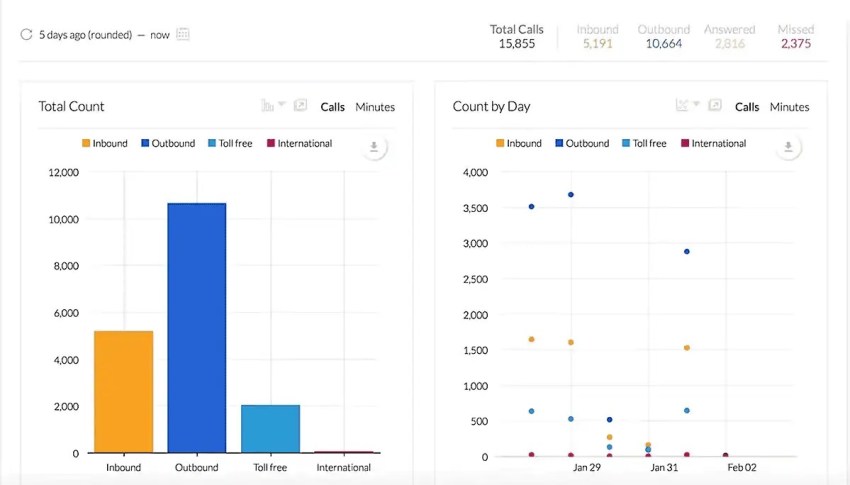
Reporting and analytics dashboards provide data on call volume, connection rates, conversion rates, agent performance, and other key metrics. These insights enable sales leaders to make data-driven decisions, optimize dialing strategies, and identify improvement opportunities.
7. Improved customer experience
While it may seem counterintuitive, when implemented and managed correctly, a sales dialer improves the customer experience. For example, choosing a local presence increases pick-up rates, and employees armed with CRM data can enable more personalized and relevant interactions.
8. Reduced Rep Burnout
Modern sales dialer software removes the rejection-heavy friction of cold calling. AI handles dead ends, disconnected lines, missed calls, and endless voicemail loops. This lets reps focus on meaningful conversations and stay in a flow state of active selling instead of being drained by the fatigue of manual outreach.
How to Break the Call Screening Barrier
In 2026, the biggest sales challenge is not dialing; it is getting prospects to answer. Modern sales dialer software must include features that bypass AI call screening:
- Branded caller ID: Your company name and logo appear on the prospect’s smartphone instead of an unknown number.
- STIR/SHAKEN compliance: This digital handshake between carriers ensures calls with A-level attestation reach prospects; without it, calls often appear as scam-likely.
- Call reason display: Some carriers let you show a brief reason for the call, for example, regarding your demo request, directly on the recipient’s screen.
- Transcription hook: Many phones show live call transcriptions before the user answers. Open with a clear, high-intent message such as Hi [Name], I am calling about the feature you recently researched on our site.
- Saved contact goal: After the first conversation, encourage the prospect to save your number. Once your number becomes a saved contact, future calls bypass most screening barriers and reach the prospect more easily.
Choosing the Right Dialer for Sales
Your sales team’s performance and bottom line depend largely on the sales dialer software you choose. Finding a tool that meets your needs and sets your team up for success is key. When exploring a sales dialer, consider these key factors:
- Business needs: Define your requirements to narrow your options. What’s your average call volume? What’s your budget? How important is CRM integration? What size is your sales team, and how do you anticipate it growing?
- Scalability: Choose a dialer that scales with your business growth. As your team expands and your call volume increases, your dialer should be able to handle the added load without compromising performance.
- Ease of use: A user-friendly interface is essential for quick adoption and efficient use. Prioritize intuitive navigation and a clean design to minimize the learning curve and maximize agent productivity.
- Integrations: Integration with your existing CRM and other sales tools ensures data consistency, streamlines workflows, and provides a unified view of your prospects.
- Pricing: Consider different pricing models (e.g., per user, per minute, per call) and choose the one that aligns with your budget and call volume. Consider the total cost of ownership, including any setup fees, training costs, and ongoing support expenses.
- Customer support: Reliable customer support is essential, especially during the initial setup and implementation phase. Prioritize vendors that offer comprehensive training resources and readily available support channels (e.g., phone, email, chat).
Best Sales Dialer Software
To help you choose, the table below provides a high-level comparison of some popular sales dialer software.
| Feature | Nextiva | Salesforce Sales Dialer | JustCall | RingCentral | Aircall |
|---|---|---|---|---|---|
| Main dialing modes | Preview, power, predictive, progressive, quarterback, auto dialing, click to call, | Power, preview, click to dial | Auto, predictive, and dynamic | Predictive, Preview, Progressive | Power, predictive, and parallel |
| CRM integrations | Yes | Yes (Native) | Yes | Yes | Yes |
| Call recording | Yes | Yes | Yes | Yes | Yes |
| Voicemail drop | Yes | Yes | Yes | Yes | Yes |
| Call scripting | Yes | Yes | Yes | Yes | Yes |
| Reporting & analytics | Robust | Robust | Moderate | Robust | Moderate |
| Sales dialer pricing (/user/month, billed annually) | Part of Nextiva’s broader business phone system. Inbound starts at around $25 and outbound at $75 | $5 for inbound calling and $25 for outbound calling, with minutes purchased separately at $15 per organization per month | Custom pricing | Included in RingCentral Contact Center, starts at $60 | Included in the “Professional” plan, costs $50/user/month |
| Ease of use | Easy | Moderate | Easy | Easy | Easy |
| Customer support | Excellent | Good | Good | Excellent | Good |
| Scalability | High | High | Medium | High | Medium |
| Focus | Unified communications, omnichannel CX & AI workflow | Native Salesforce integration | Affordable & flexible | Comprehensive business communications | Simplicity & integrations |
Note: The information in this table is for general comparison only and is based on publicly available information. Features and pricing are subject to change. Do your own research, try demos and free trials, and consult with each provider for the most up-to-date information before making any purchasing decisions. Hands-on experience is invaluable in making an informed decision and choosing the right sales dialer.
Best Practices for Using Sales Dialers
Simply implementing a sales dialer isn’t enough. Once you’ve identified which type of dialer you need and you’ve set realistic expectations on how it will help you, your next step is to optimize your dialing plan from day one. Here are some best practice tips for ensuring the highest connection rates possible.
Focus on data quality
Maintain clean and accurate contact lists to avoid wasted time dialing wrong numbers, reaching disconnected lines, or contacting the wrong person. Regularly cleanse your data and ensure it’s up-to-date. High-quality data improves connection rates and allows your team to spend more time in meaningful conversations.
Optimize your scripts
Well-crafted call scripts guide conversations and ensure consistent messaging. Develop scripts that address common objections, highlight key benefits, and move the conversation toward a successful outcome (e.g., scheduling a demo or qualifying a lead). Review and optimize your scripts based on performance data and feedback from your sales team.
Use an omnichannel halo strategy
A cold call should not stand alone. Send a LinkedIn message or branded SMS five minutes before the dialer triggers to warm up the caller ID and increase the chances of the prospect answering. This coordinated approach creates familiarity and makes the outreach feel more intentional rather than unexpected.
Make compliance non-negotiable
Comply with relevant regulations (e.g., TCPA in the US, GDPR in the EU) to avoid legal issues and maintain a positive brand reputation. Ensure your dialing practices are compliant with all applicable laws and regulations. This includes obtaining proper consent for calls, respecting do-not-call lists, and adhering to call time restrictions.
Train your team
Comprehensive training maximizes agent adoption and helps them use the dialer effectively. Provide thorough training on dialer usage, sales techniques, script adherence, and compliance requirements. Empowered agents are more productive agents.
Monitor and analyze to improve
Track key call metrics like call volume, connection rates, conversion rates, agent talk time, and call abandonment rates. Regularly analyze this data to identify trends, pinpoint areas for improvement, and make data-driven adjustments to your dialing strategies.
Integrate with your sales strategy
Don’t treat the sales dialer as a standalone tool. Integrate it with your sales strategy. Define clear goals for your outbound calling campaigns and ensure the dialer supports those objectives. Align dialing activities with pipeline targets, lead stages, and campaign priorities to ensure every call contributes to revenue growth.
Proactively monitor trust score
Regularly check if your outbound numbers are flagged as spam by major carriers. If the score drops, rotate numbers immediately to maintain deliverability. Monitoring trust scores also helps you identify potential issues early before they affect large volumes of outbound calls.
Personalize when possible
While dialers automate much of the process, personalization is still key to building rapport and connecting with prospects. Encourage agents to use CRM data to personalize conversations whenever possible. Even small personalized details can make the call feel more relevant and less like a generic outreach attempt.
Regularly review and optimize
Sales dialer technology is evolving. Regularly review your dialer setup, explore new features, and stay up-to-date with best practices to ensure you’re maximizing its capabilities. Continuous optimization helps improve connection rates, agent productivity, and overall campaign performance.
Dial Confidently With Nextiva
Knowing which sales dialer suits your business best and optimizing how you use it sets you in good standing to start your new sales activity. Making tweaks on the fly, backed by data and analytics, means you’re always optimizing your sales process and best empowering your staff.
To close the loop on your sales prep, you need a market-leading contact center platform at the heart of what you do.
Nextiva Contact Center includes a variety of sales dialer modules and supports your entire business’s inbound needs. You get a single solution that keeps all staff connected while serving new and existing customers.
Nextiva Contact Center is:
- Easy to use: Agents get started in minutes.
- Competitively priced: Pricing is scalable for small teams through to large enterprises.
- Compliant and secure: It keeps you in line with any regulations related to dialing.
Need a sales dialer that factors in your entire business? Get started with Nextiva Contact Center.
The top AI-powered contact center.
All conversations in one platform. Empowering agents. Satisfying customers.
[ad_2]
Source link